
Taking learning outside at Yoho Lake
At the ASD-West Outdoor Learning Centre near Hanwell, students learn on land and water, teachers develop outdoor skills, and youth lead school wellness projects.
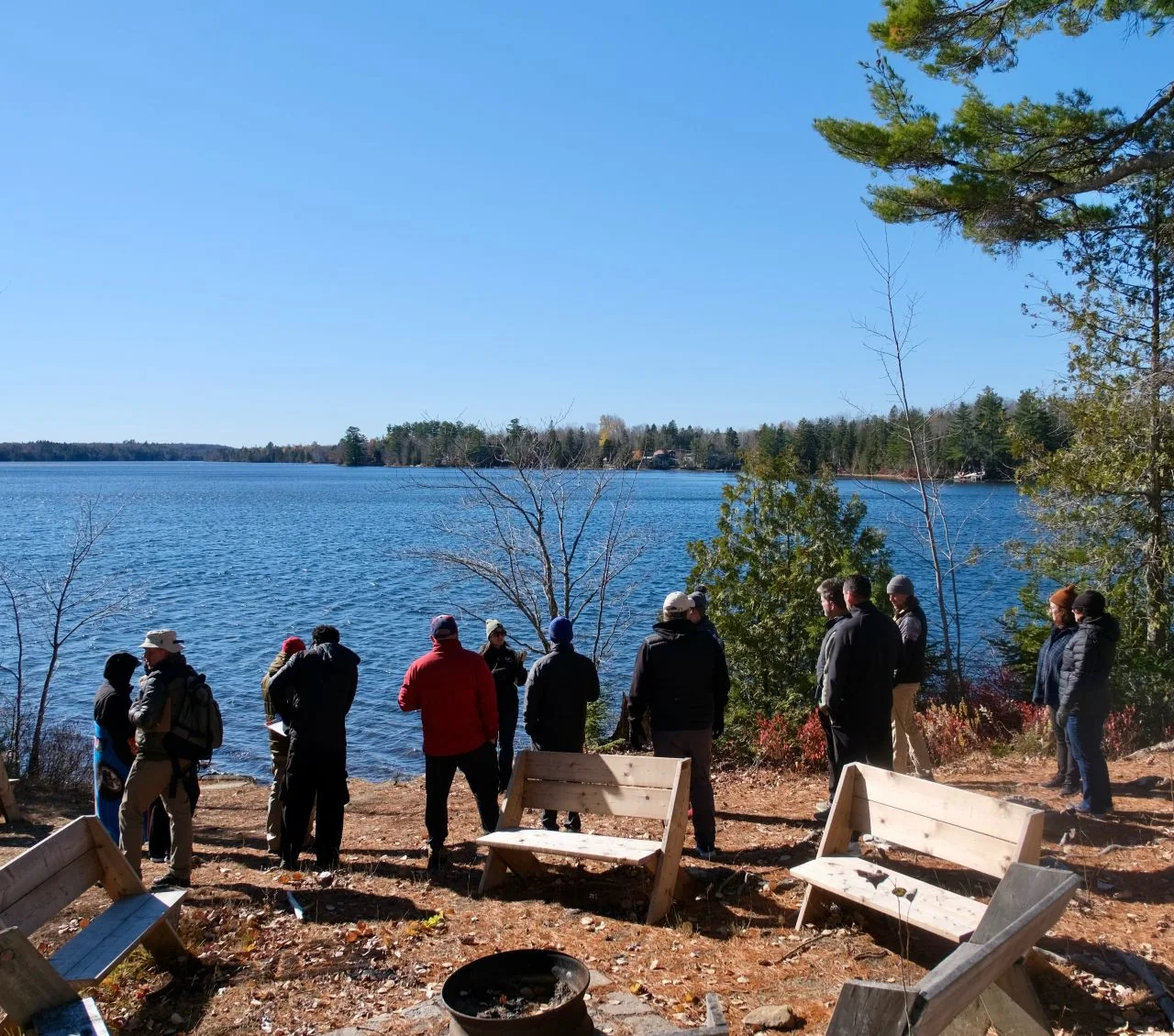
On the shore of Yoho Lake, elementary students bring reading, writing and math outdoors. Teachers practise canoe skills they can take back to their schools. Middle school students gather to plan how they can improve well-being among their peers. All three are part of the work of the ASD-West Outdoor Learning Centre.
Anglophone School District West (ASD-W) developed the centre with Scouts Canada and other provincial partners. The site near Hanwell and Fredericton gives school groups a place to learn on the water and in the woods. It complements outdoor classrooms at schools across the district, where teachers can make outdoor learning part of the regular school day.
Read about ASD-W’s school outdoor classrooms- 1,472 students
- 177 teachers
- 70 schools represented
ASD-W reported these figures as of March 19, 2026. The 70 schools were represented through student visits or one of seven professional learning sessions.
Read the ASD-W Healthy Living monitoring report (PDF)Literacy, numeracy and canoeing
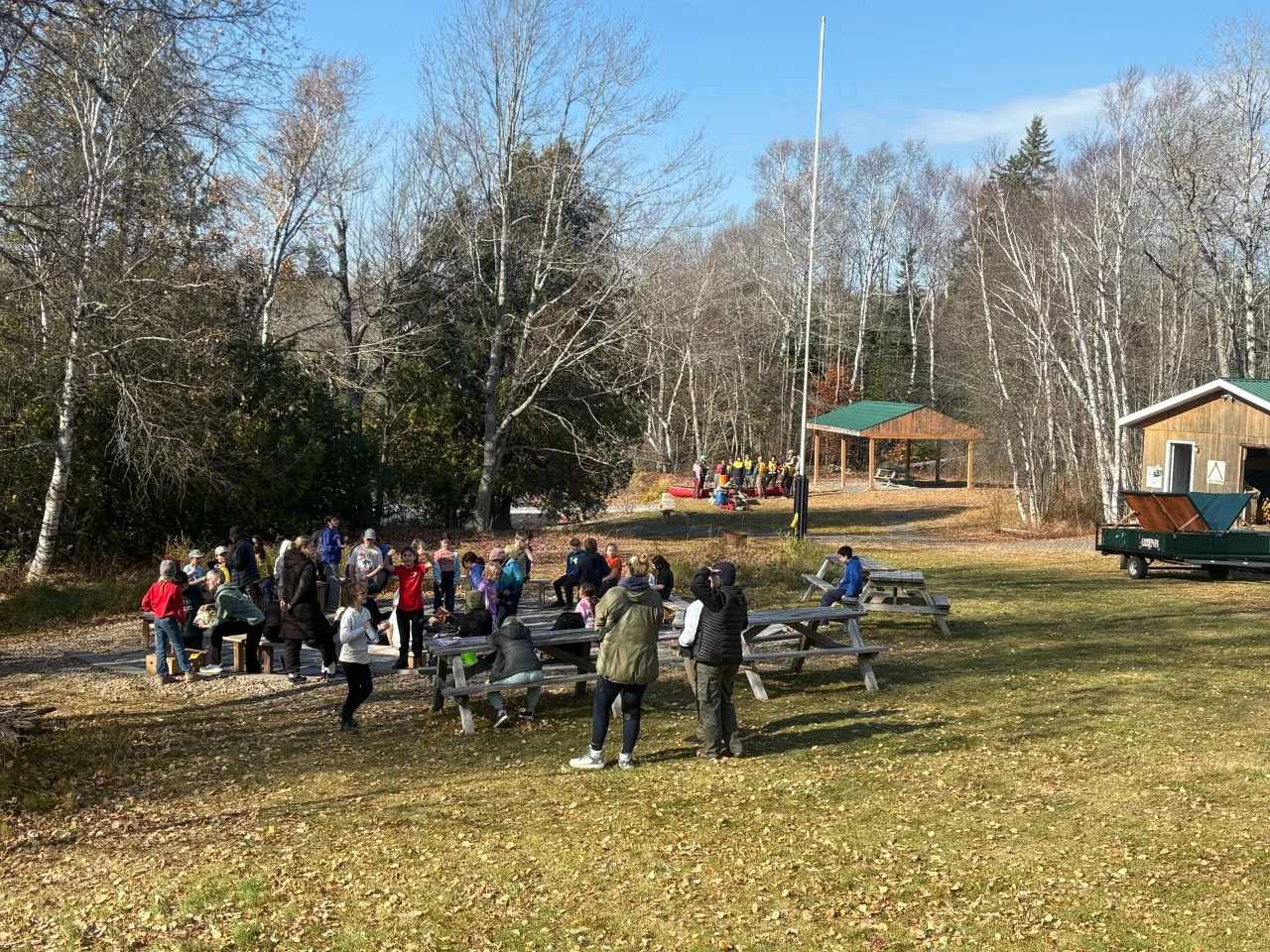
At Yoho, students in Grades 3 to 5 have taken literacy and numeracy lessons outside. A lakeside visit gives a class plenty to read, describe, measure and compare. A trail can prompt students to record observations, while a question about distance or the size of a tree can give a math lesson a practical focus.
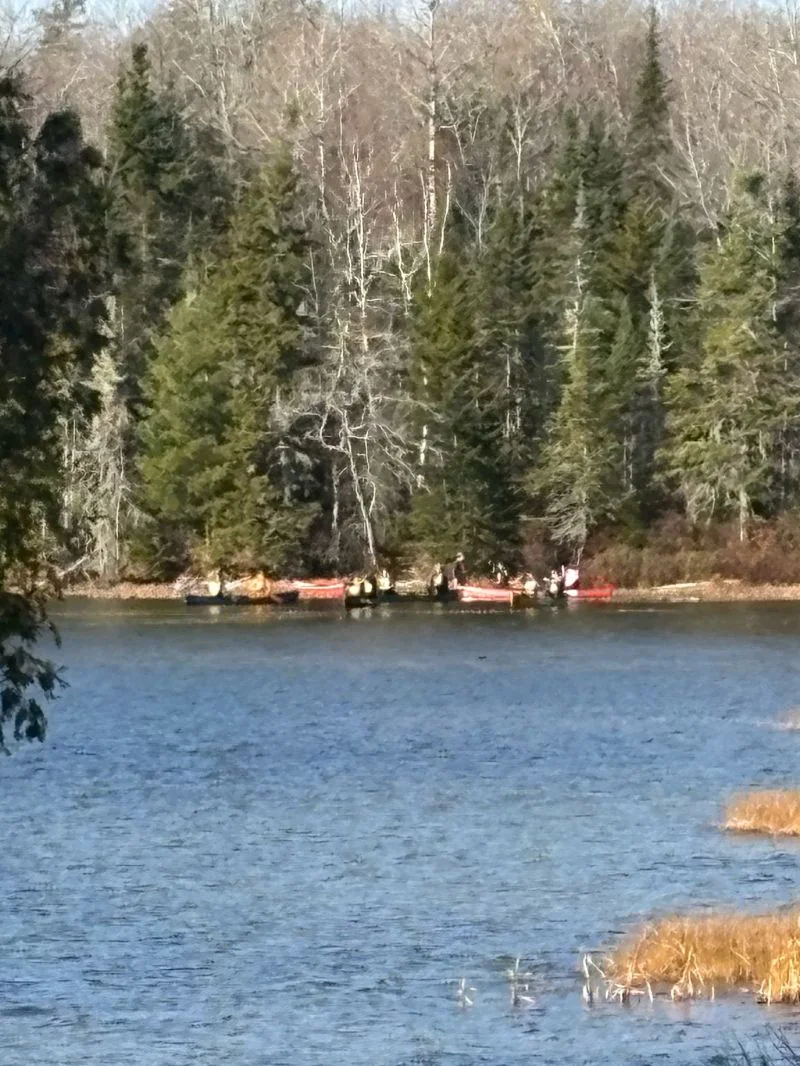
The centre also gives students a chance to learn on the water. In a fall program update, organizers reported that 245 students had been out on the lake, while ASD-W teachers were training as canoe instructors. The teacher training builds the skills and confidence needed to lead future groups.
Professional learning for educators
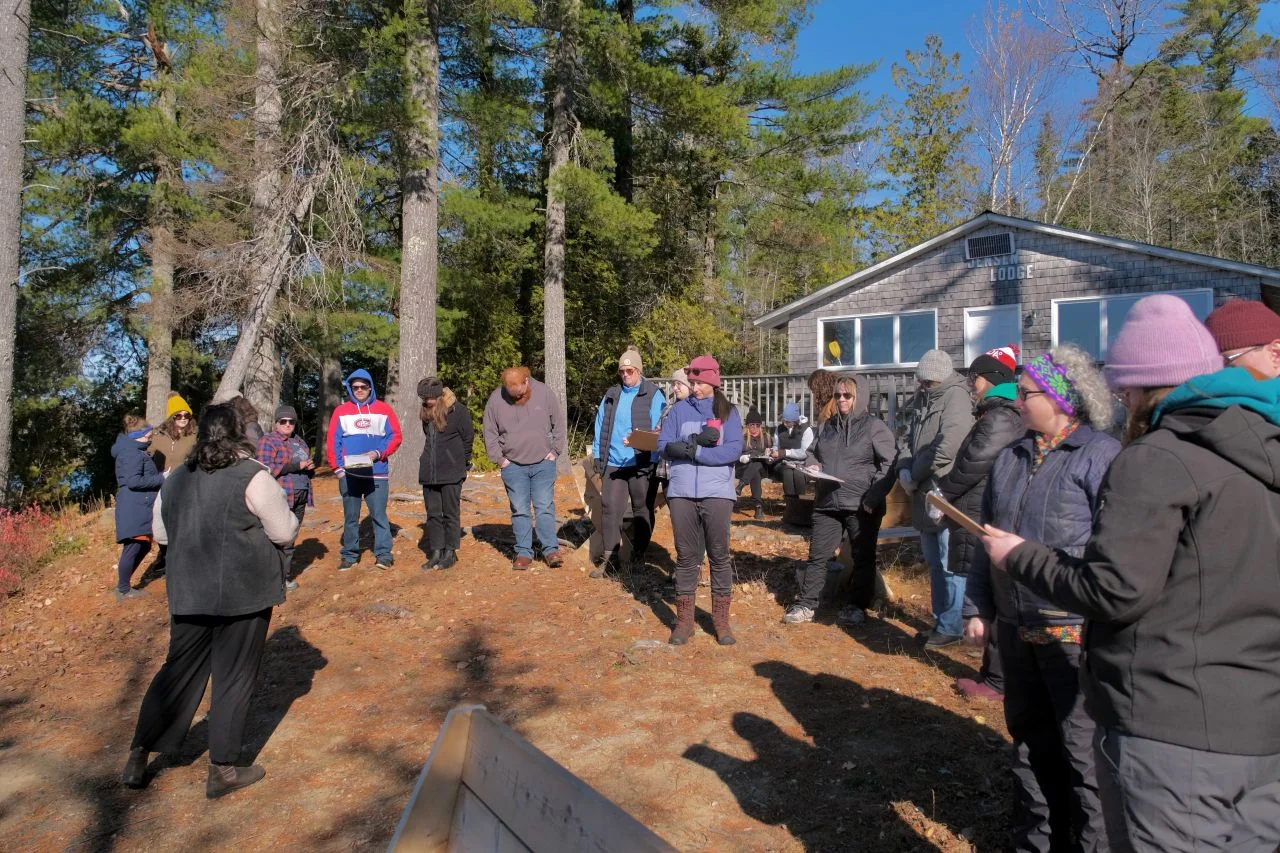
Professional learning at Yoho extends beyond paddling. Forest NB and Project Learning Tree Canada held two days of training at the Yoho Scout Lodge, one for school administrators and one for teachers. Participants explored how forest-based activities and teaching resources can support curriculum outcomes. Peter Trusiak has helped bring school groups and partners together at the centre.
Students leading school wellness
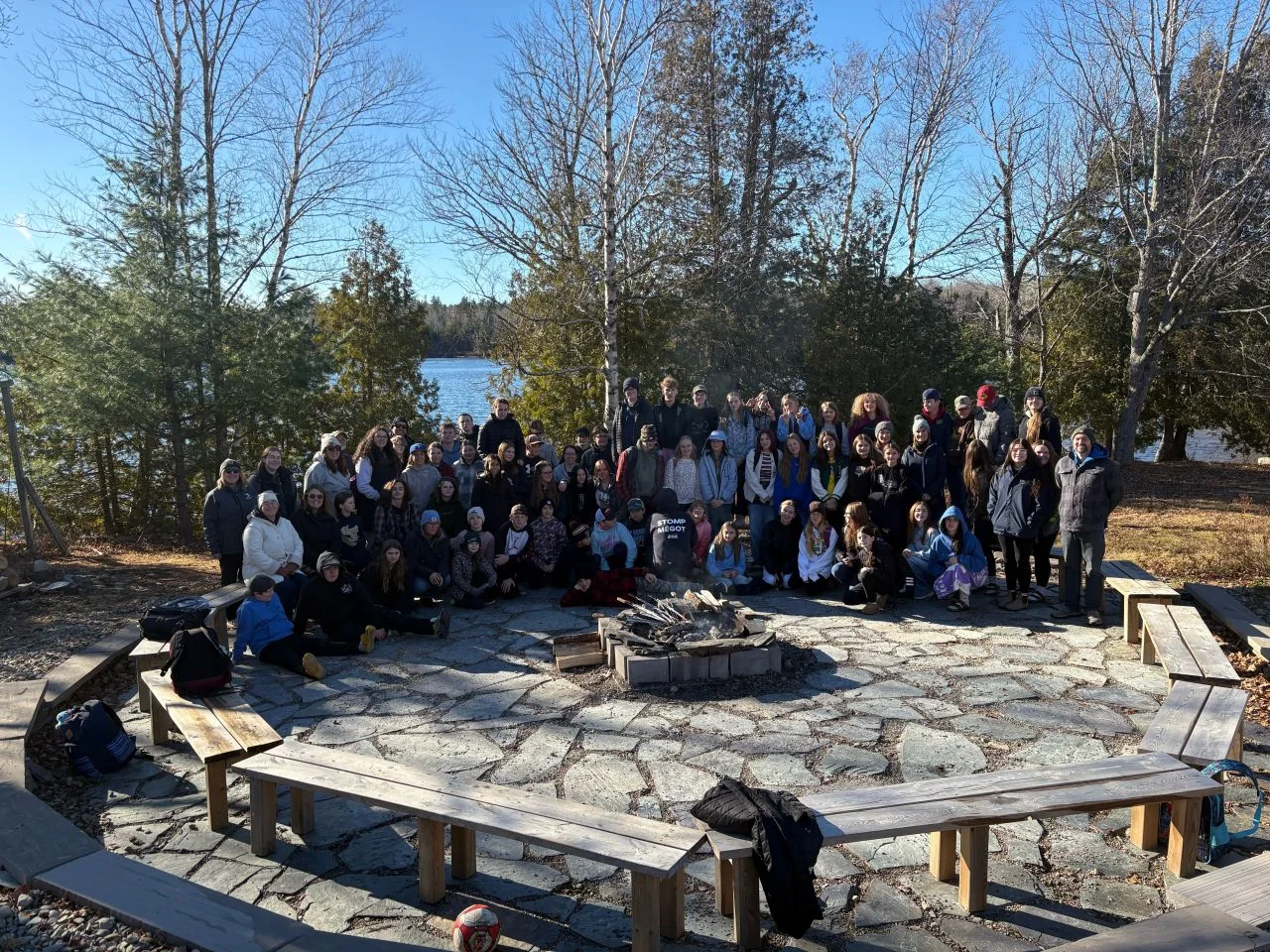
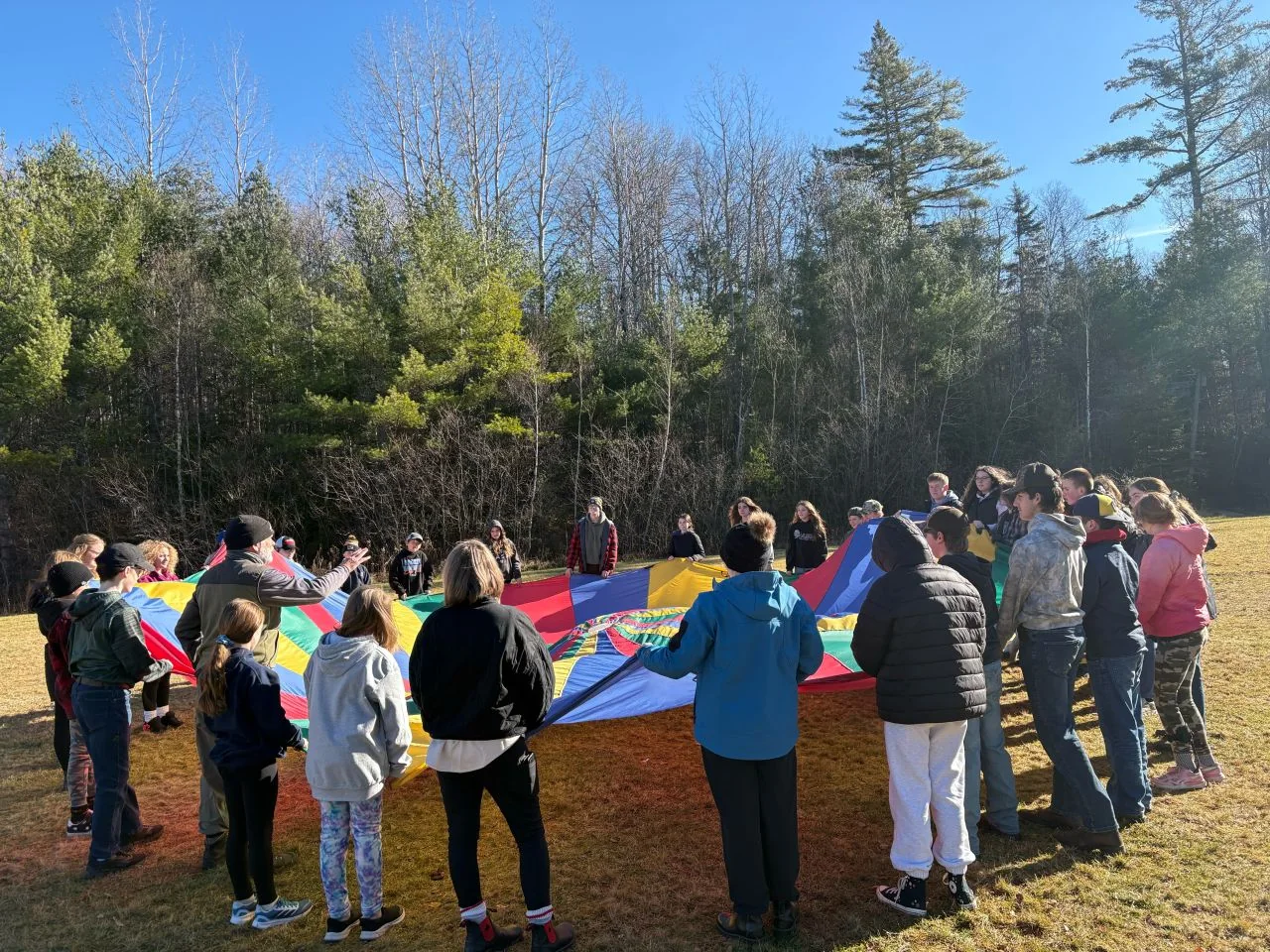
At a second STOMP retreat at Yoho, student-led wellness teams from four middle schools worked on ways to improve well-being at school. In a program update, organizers reported that 130 students and 14 teachers from seven schools had taken part by that stage, with five more schools expected to participate.
PHE Canada and Ryan Fahey supported the work with training and resources. STOMP helps students develop peer-led approaches to substance use prevention as part of a broader approach to school health. At Yoho, that meant giving students time to share what they were seeing in their schools and plan actions they could lead back home. The work connects with New Brunswick’s 12-year education plan through its focus on student voice and well-being.
A lake and forest to learn from
Yoho Lake covers about 130 hectares and drains through Yoho Stream into the Oromocto River watershed. The surrounding Yoho Scout Reserve includes about 700 acres of forest, trails, lodges and a lakefront area. The Yoho Lake Association monitors water quality and shares community notices, including updates about blue-green algae. Its monitoring reports give students an example of how people collect and use data to look after a place they know.
For educators, the value of a visit is what students and teachers can carry back to school. A class can keep a field journal close to home. A teacher can turn a familiar schoolyard into a place for measurement and observation. A student wellness team can take an idea from the retreat and put it into practice with its peers.